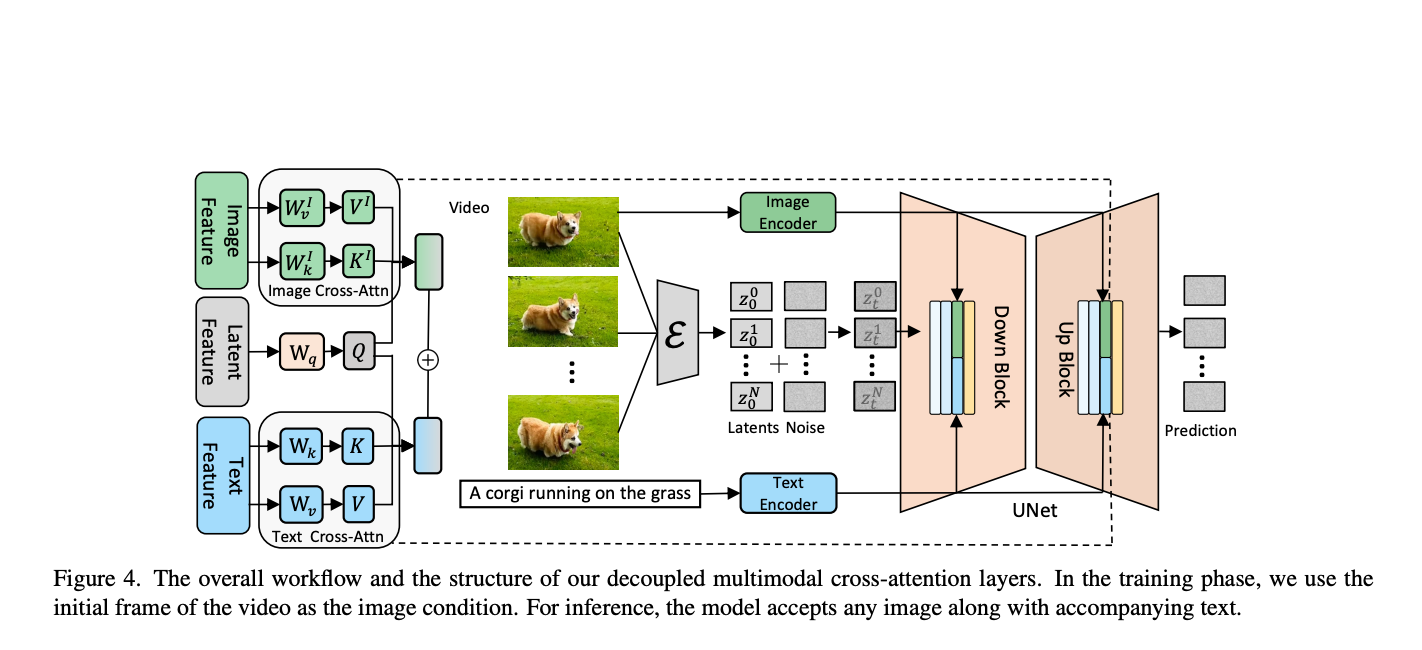
Artificial intelligence has always faced the issue of producing high-quality videos that smoothly integrate multimodal inputs like text and graphics. Text-to-video generation techniques now in use frequently concentrate on single-modal conditioning, using either text or images alone. The accuracy and control researchers can exert over the created films are limited by this unimodal technique, making…
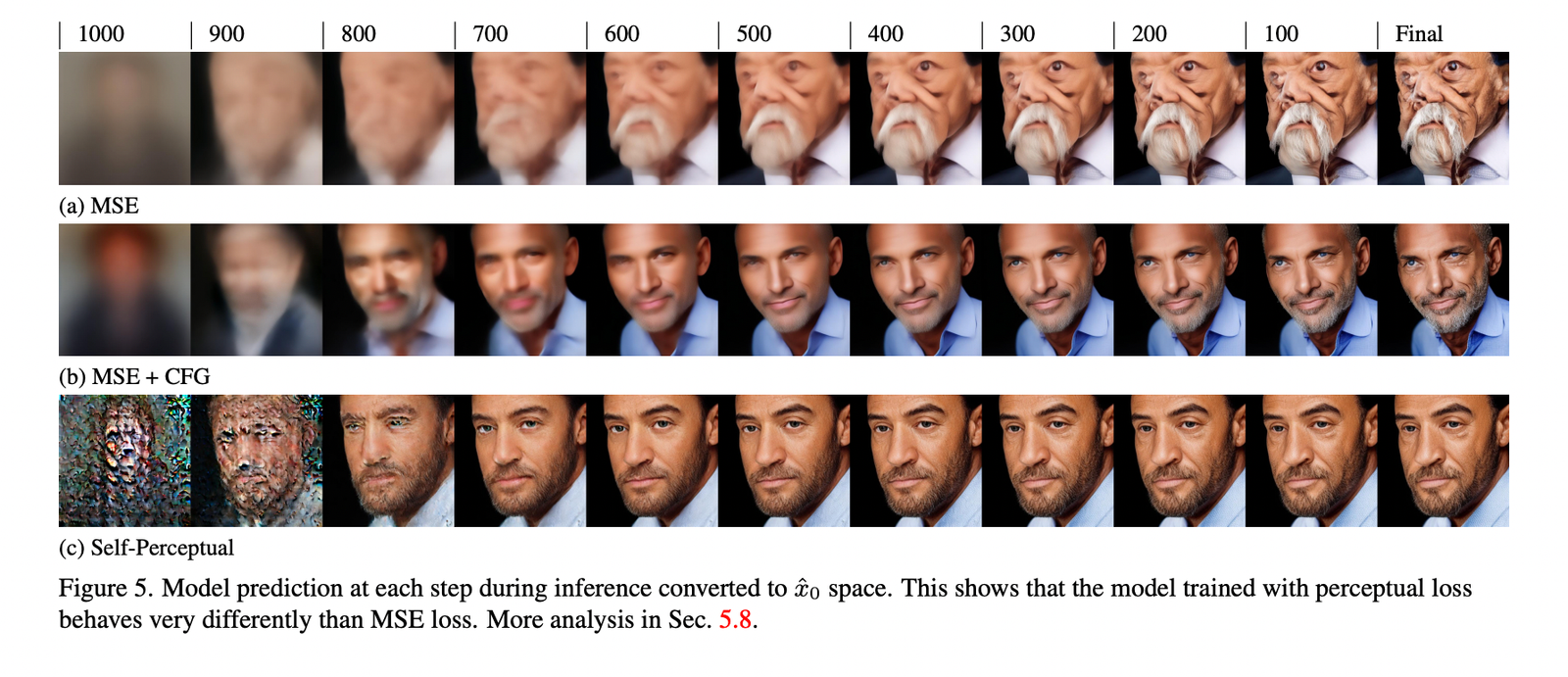
Diffusion models are a significant component in generative models, particularly for image generation, and these models are undergoing transformative advancements. These models, functioning by transforming noise into structured data, especially images, through a denoising process, have become increasingly important in computer vision and related fields. Their capability to convert pure noise into detailed images has…
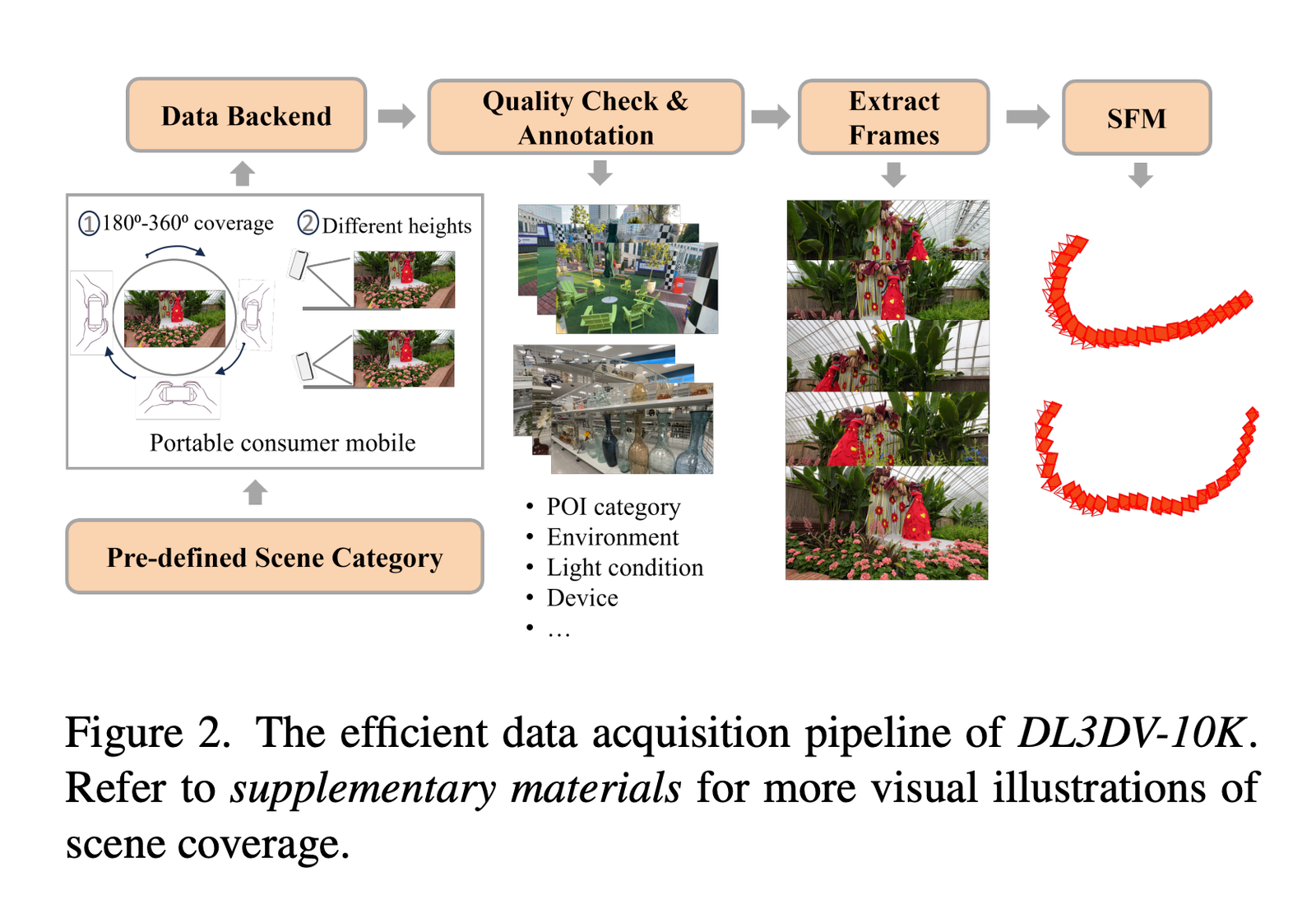
Neural View Synthesis (NVS) poses a complex challenge in generating realistic 3D scenes from multi-view videos, especially in diverse real-world scenarios. The limitations of current state-of-the-art (SOTA) NVS techniques become apparent when faced with variations in lighting, reflections, transparency, and overall scene complexity. Recognizing these challenges, researchers have aimed to push the boundaries of NVS…
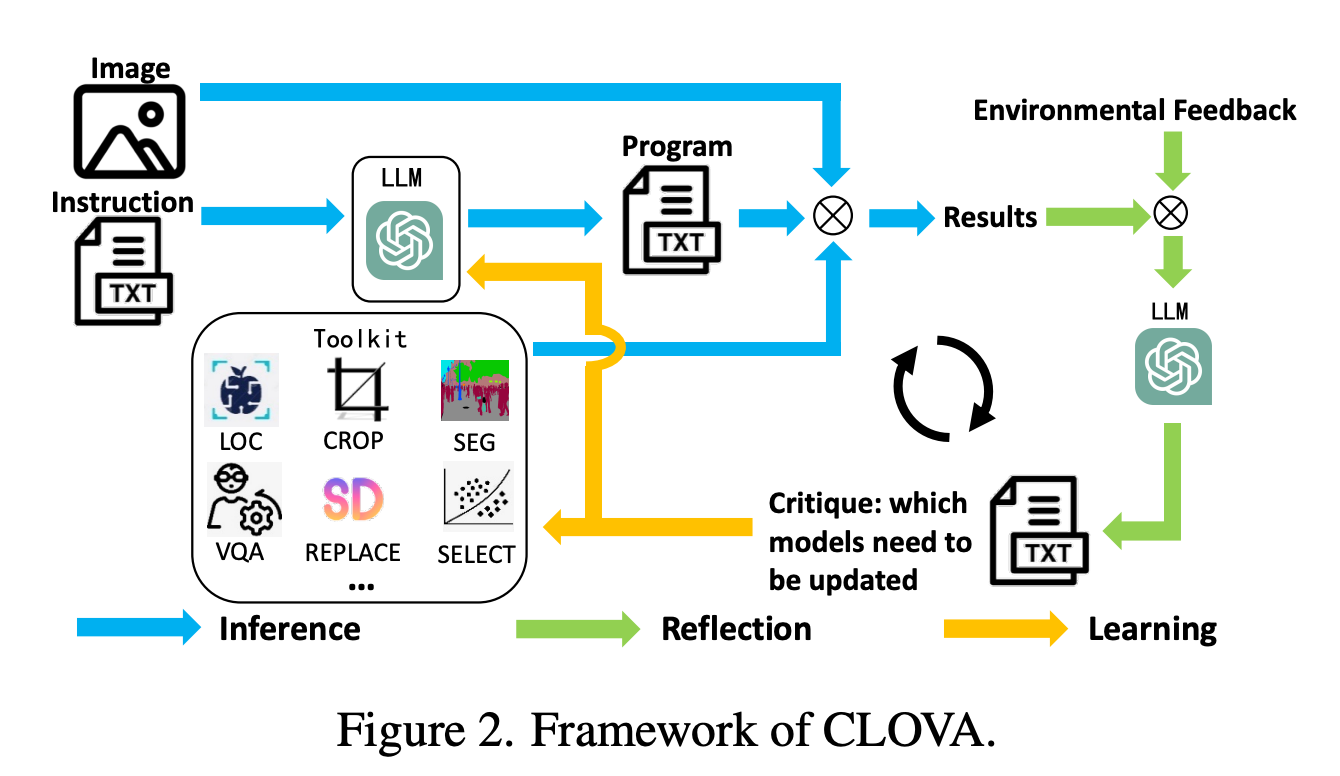
The challenge of creating adaptable and versatile visual assistants has become increasingly evident in the rapidly evolving Artificial Intelligence. Traditional models often grapple with fixed capabilities and need help to learn dynamically from diverse examples. The need for a more agile and responsive visual assistant capable of adapting to new environments and tasks seamlessly sets…
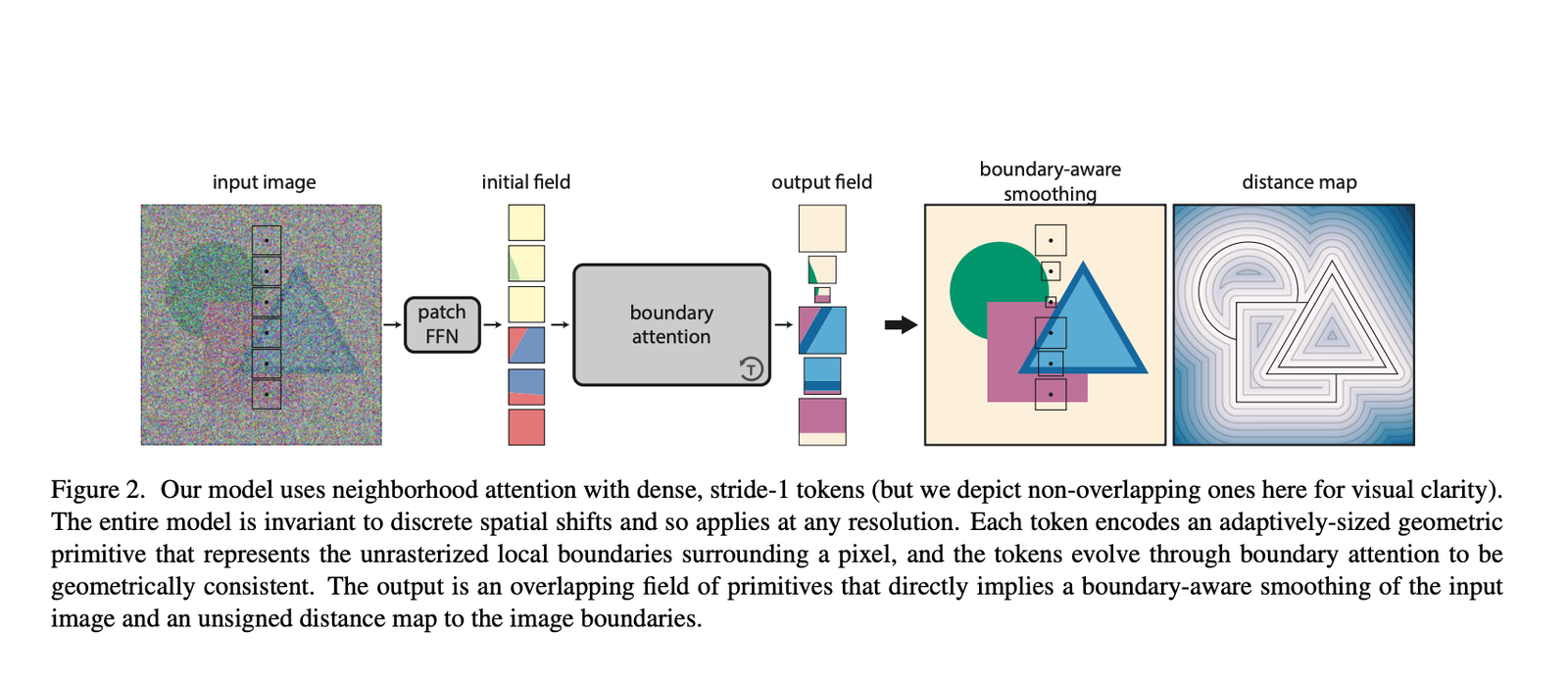
Distinguishing fine image boundaries, particularly in noisy or low-resolution scenarios, remains formidable. Traditional approaches, heavily reliant on human annotations and rasterized edge representations, often need more precision and adaptability to diverse image conditions. This has spurred the development of new methodologies capable of overcoming these limitations.
A significant challenge in this domain is the robust…
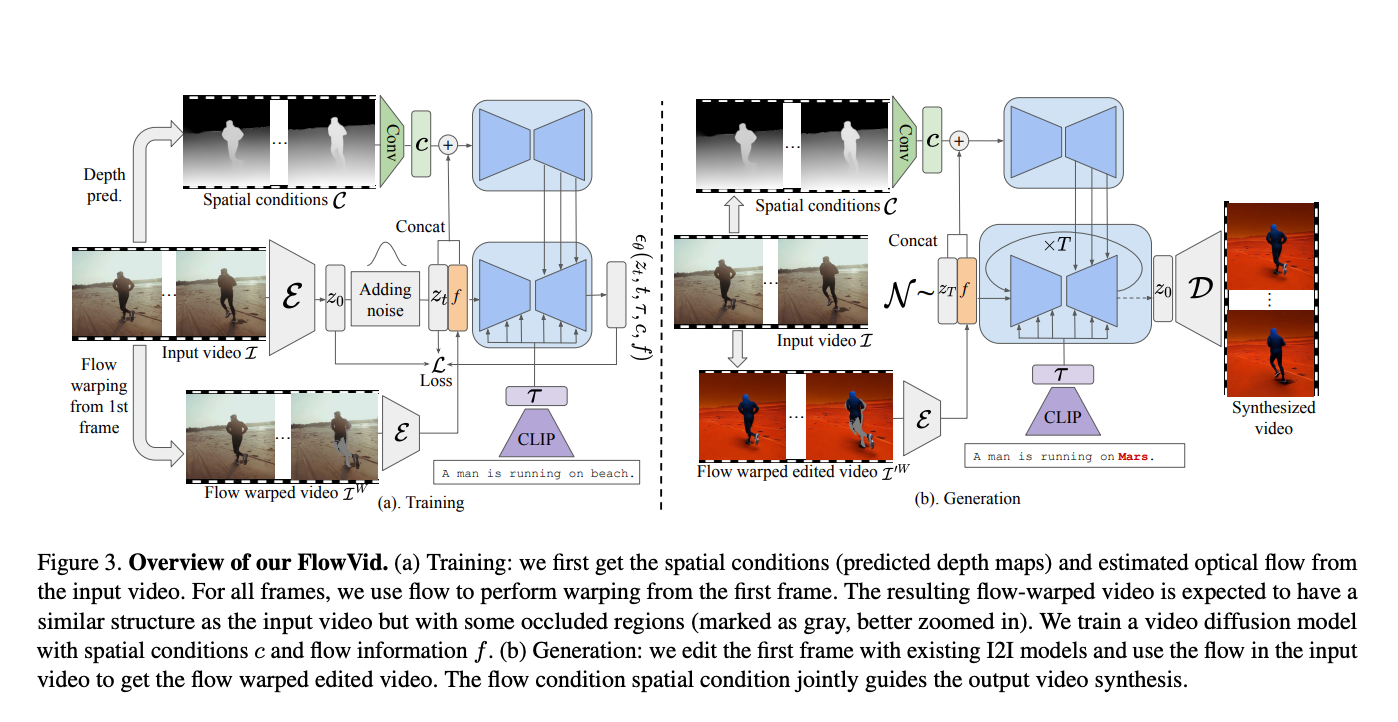
In the domain of computer vision, particularly in video-to-video (V2V) synthesis, maintaining temporal consistency across video frames has been a persistent challenge. Achieving this consistency is crucial for synthesized videos’ coherence and visual appeal, which often combine elements from varying sources or modify them according to specific prompts. Traditional methods in this field have heavily…
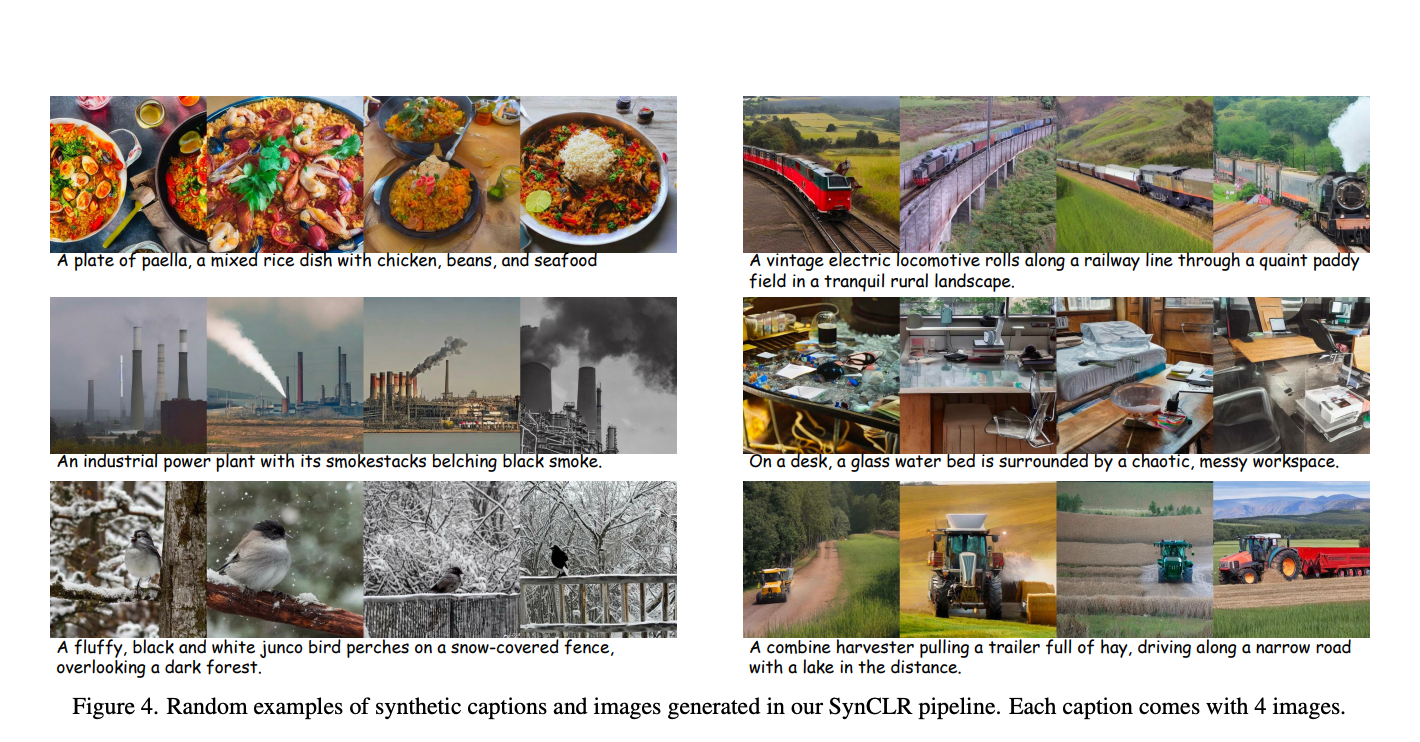
Raw and frequently unlabeled data can be retrieved and organized using representation learning. The ability of the model to develop a good representation depends on the quantity, quality, and diversity of the data. In doing so, the model mirrors the data’s inherent collective intelligence. The output is directly proportional to the input. Unsurprisingly, the most…
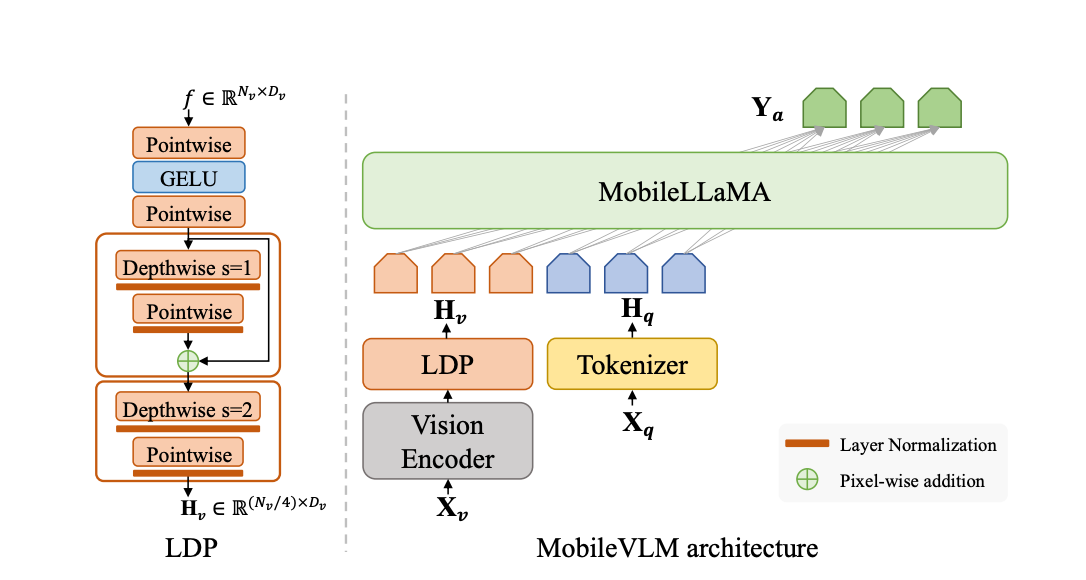
A promising new development in artificial intelligence called MobileVLM, designed to maximize the potential of mobile devices, has emerged. This cutting-edge multimodal vision language model (MMVLM) represents a major advancement in incorporating AI into common technology since it is built to function effectively in mobile situations.
Researchers from Meituan Inc., Zhejiang University, and Dalian University…
Image restoration is a complex challenge that has garnered significant attention from researchers. Its primary objective is to create visually appealing and natural images while maintaining the perceptual quality of the degraded input. In cases where there is no information available concerning the subject or degradation (blind restoration), having a clear understanding of the range…
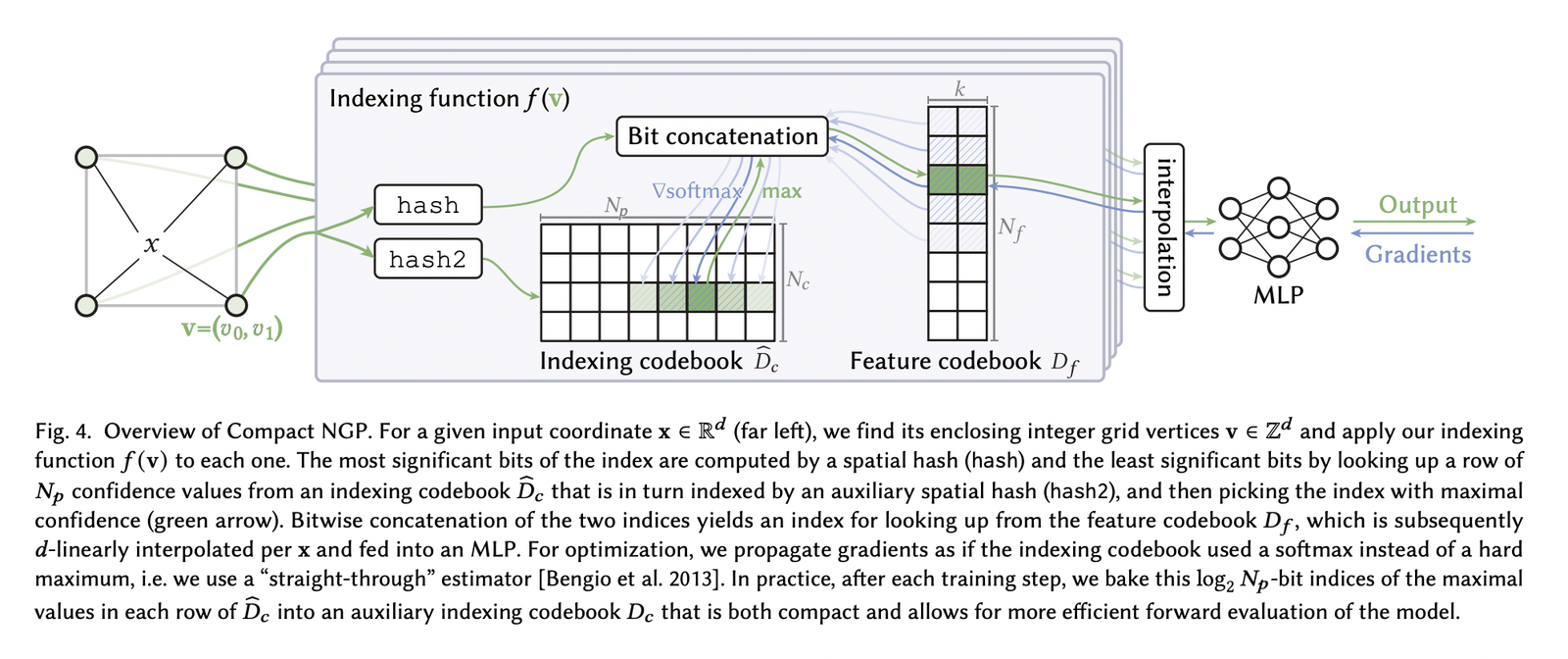
Neural graphics primitives (NGP) are promising in enabling the smooth integration of old and new assets across various applications. They represent images, shapes, volumetric and spatial-directional data, aiding in novel view synthesis (NeRFs), generative modeling, light caching, and various other applications. Notably successful are the primitives representing data through a feature grid containing trained latent…